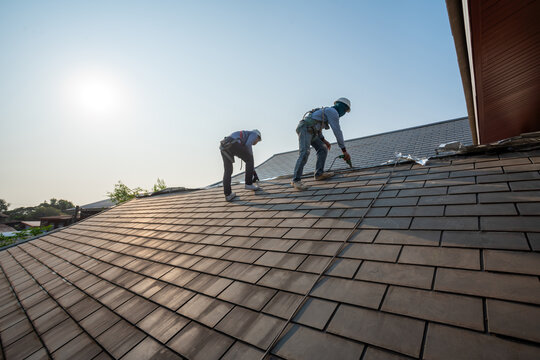
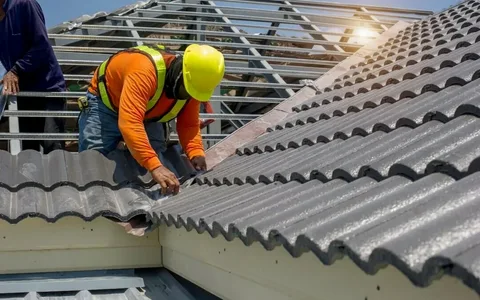
For any homeowner, replacing or installing a roof is a significant financial commitment, so getting a thorough roof installation estimate is crucial before beginning the process. A thorough estimate helps avoid unexpected expenses, offers transparency, and enables homeowners to efficiently compare contractors. Understanding what should be included in a roof installation estimate enables homeowners to make well-informed decisions and guarantees an effortless job from beginning to end. For a worry-free roofing experience,JC Master Inc. helps homeowners at every stage by providing precise estimates and knowledgeable guidance.
Breakdown of Material Costs:
The cost of materials should be broken out in a comprehensive roof installation estimate. In addition to underlayment, flashing, fasteners, ridge caps, and other unique materials needed for your particular roof type, this also includes the roofing shingles, tiles, or metal panels.
Although premium materials may cost more up front, they can provide greater long-term savings, energy efficiency, and durability. To help homeowners understand exactly what they are paying for, the estimate should include information about the brand, kind, and quantity of materials to be used.
Labor Charges:
A large amount of the overall cost of roofing involves labor. An accurate estimate should include labor expenses for installing the new roof, removing the old roof if needed, and finishing any extra work like improving the insulation or ventilation.
Professional contractors frequently base their prices on the size, pitch, and complexity of the roof. A clear breakdown guarantees that homeowners are aware of the percentage of the overall cost that goes toward professional labor and avoids unexpected fees once work has started.
Permits and Safety Checks:
Installing a roof requires a permit in many towns, especially for complete replacements or structural changes. The cost of getting permits and any inspections mandated by local building codes should be included in an accurate quote.
Incorporating permits into the estimate helps homeowners avoid unforeseen costs and guarantees that the roofing project conforms with local rules, which is essential for future property sales and insurance coverage.
Old Roof Removal & Disposal:
The estimate should take the removal of the current roofing materials into consideration if your project calls for replacing the roof. This covers hauling away waste, labor, and disposal costs.
For a clean installation and to avoid harming the underlying structure, removal must be done correctly. To prevent unexpected fees throughout the project, homeowners should confirm that the estimate accurately describes this component.
Upgrades and Specialized Services:
Estimates for roof installation may also include optional services or improvements, including underlayment upgrades, gutter installation, ventilation enhancements, and attic insulation. These improvements can increase overall home comfort, extend the life of the roof, and improve energy efficiency.
Homeowners will be able to select the services they wish to include in the project thanks to a clear estimate that separates optional upgrades from the standard installation expenses.
Roofing Warranty Details:
Reputable contractors offer information in the quotation regarding workmanship guarantees and manufacturer warranties for roofing supplies. While workmanship guarantees guard against installation problems for a predetermined amount of time, materials warranties cover flaws in shingles, tiles, or metal panels.
Clear warranty information gives homeowners peace of mind and guarantees that any problems found after installation can be fixed quickly and affordably.
Roofing Timeline & Costs:
An estimated project date and a payment schedule should be included in a thorough roof installation estimate. Knowing how long the job will take guarantees responsibility and helps homeowners prepare for interruptions.
A fair payment schedule should be established, usually involving an upfront deposit and progress payments based on reached milestones. Throughout the project, these safeguards protect both the homeowner and the contractor.
Additional or Contingency Fees:
Even the most comprehensive calculations might account for unanticipated events like broken decking, concealed leaks, or unforeseen structural problems. In order to prevent homeowners from being caught off guard if installation issues develop, a skilled contractor will disclose any additional expenses up front.
Being transparent reduces unpleasant surprises at the conclusion of the project and guarantees a more seamless experience.
Conclusion:
The materials, labor, permits, debris disposal, optional services, warranties, project schedule, and possible extra expenses should all be clearly and thoroughly broken down in a roof installation estimate. By going over each of these components, homeowners can confidently plan their budget, choose a qualified contractor, and compare estimates. In addition to providing financial guidance, a well-prepared estimate acts as a road map for a successful, worry-free, and seamless roof installation.
Get a thorough, expert roof installation estimate right now. Get in touch with
JC Master Inc. to confidently and peacefully plan your job.
FAQs:
1. Do I need to obtain several quotations for roof installation?
Yes, you can evaluate costs, materials, and services to select the best contractor by getting at least two or three quotations.
2. Do estimates account for unstated expenses?
All anticipated expenses should be included in a thorough estimate. Any prospective extra costs must be stated up front.
3. Do labor and materials always appear separately in estimates?
For transparency, professional estimates usually divide labor and material costs.
4. Is it possible to negotiate over the estimate?
Yes, before construction starts, homeowners can talk to the contractor about modifications, optional enhancements, or payment plans.
5. What is the validity period of a roof installation estimate?
Depending on the contractor and local material prices, most estimates are good for 30 to 90 days.