For every homeowner, selecting the appropriate roofing material is a crucial choice. In addition to protecting your house from the weather, your roof affects durability, energy efficiency, and curb appeal. Depending on your home, environment, and budget, each material, such as tile, metal, and asphalt shingles, offers special benefits and factors to take into account.JC Master Inc. assists homeowners in making these decisions, making sure the roofing material they choose offers durable protection and improves the overall comfort and value of your house.
Modern Durability with Metal Roofing:
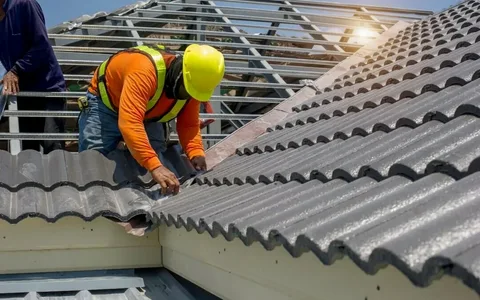
Because of their durability, lifespan, and attractive appearance, metal roofs have become more and more popular in recent years. Metal roofing, which is typically made of steel, aluminum, or copper, is resistant to severe weather, such as heavy rain, snow, and strong winds. The longevity of metal roofing, which may last 40 to 70 years with good maintenance, much longer than most other materials, is one of its key attractions.
Metal roofs reflect solar heat and save cooling expenses in hotter climates; they are also energy efficient. They may frequently be built over existing roofing, which lowers tear-off expenses, and they are lightweight, which puts less strain on the roof structure.
Asphalt Shingles: Cost-Effective & Flexible
For good reason, asphalt shingles are the most popular roofing material for residential buildings. They come in a variety of colors and styles, are inexpensive, and are simple to install. The roof deck is shielded from water by shingles, which are constructed from a base of fiberglass or organic material covered with asphalt.
Shingles’ adaptability to a range of roof slopes and housing types is one of their primary advantages. If they are broken, they are also comparatively simple to fix. But asphalt shingles usually only last 20 to 30 years and are more vulnerable to hail and strong winds. To avoid problems like curling, cracking, or algae growth, regular care is necessary.
Tile Roofing: Durable and Timeless
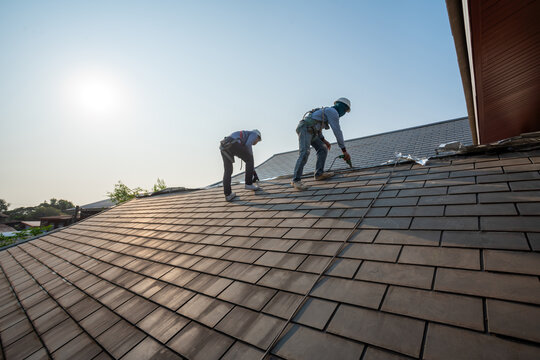
Tile roofing, which contains concrete or clay tiles, is known for its longevity, strength, and visual appeal. Tiles are appropriate for hot, sunny, or seaside locations since they are resistant to fire, insects, and extreme weather. They are a great long-term investment because they can endure for 50 to 100 years.
The timeless, upscale appearance of tile roofs raises curb appeal and property value. But because they weigh a lot more than metal or shingles, the structure of your house needs to be able to handle the additional weight. Tile repairs can be more complicated because of the possibility of breaking tiles, and tile installation is more costly and labor-intensive.
Cost & Maintenance Comparison:
Cost and upkeep are important considerations when choosing between metal, shingles, or tile. Asphalt shingles are the least expensive initially, but they need to be replaced more frequently. Over time, the greater initial expenses of metal roofs may be offset by their longer lifespan and fewer maintenance requirements. Although tile roofs are the most costly and need structural considerations, their strength and durability frequently make them a good investment.
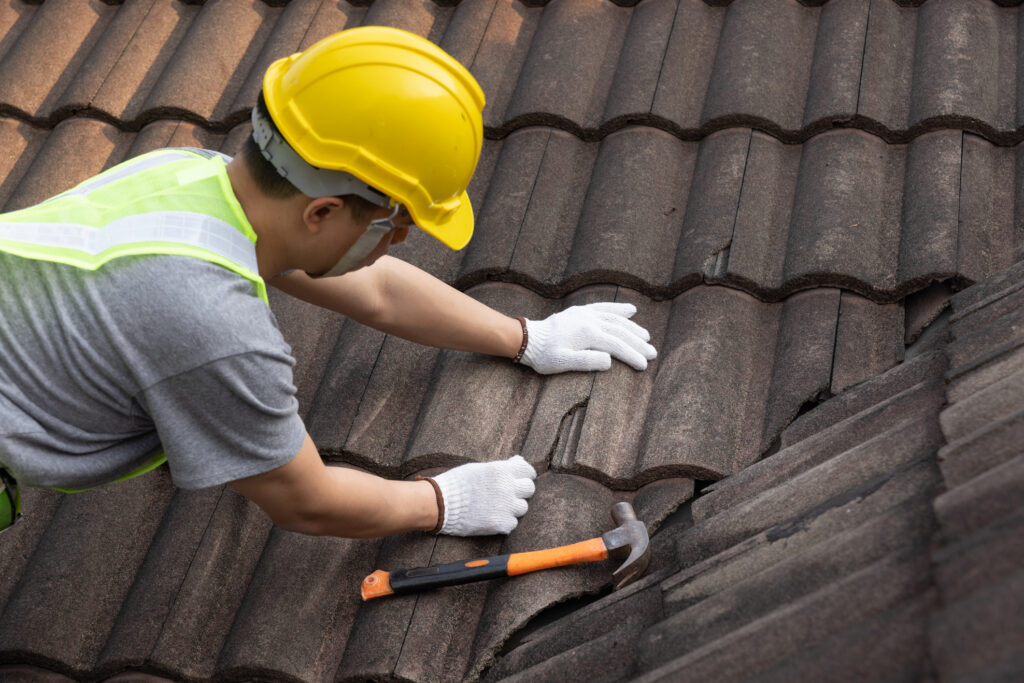
Additionally, maintenance varies: metal needs to be sealed and checked for corrosion on a regular basis, shingles may require routine inspections and replacement of damaged sections, and tiles may occasionally need to have cracked or broken portions replaced. Homeowners can select a material that meets their long-term objectives and budget by taking these variables into account.
Climate Considerations:
Selecting a suitable roofing material is heavily influenced by the environment in your area. Due to the material’s resistance to wind damage and the ease with which snow sheds, metal roofs are particularly effective in regions that see significant snowfall or strong storms. Although asphalt shingles are adaptable to a variety of climates, they can crack more quickly in extremely hot or humid conditions. Tile roofing’s heat tolerance and durability against sun and salt exposure make it perfect for hot, dry, or coastal areas.
Choosing a roofing material that is appropriate for your surroundings can minimize long-term maintenance, increase energy efficiency, and lower repair costs.
Conclusion:
In the end, your preferences, financial situation, and local environment will determine whether you choose metal, shingles, or tile. Tile roofing offers long-term performance with classic charm, asphalt shingles give affordability and flexibility, and metal roofing offers remarkable durability and energy efficiency. You can make an informed choice that will safeguard your house for many years to come by taking into account elements like cost, lifetime, upkeep, and climatic compatibility. Collaborating with a skilled roofing specialist guarantees correct installation and helps optimize the worth and durability of your investment.
Are you prepared to select the ideal roof for your house? For skilled guidance and a trustworthy roofing consultation, get in touch with JC Master Inc. right now.
FAQs
1. What is the longest-lasting roofing material?
Metal roofs last 40–70 years, tile roofs 50–100 years, and shingles 20–30 years.
2. Do metal roofs make noise when it rains or hails?
Metal roofs are not much noisier than other materials when fitted with the right underlayment and insulation.
3. Is it possible to cover an existing roof with shingles?
Yes, in many situations, but layering may be restricted by roof structure and local construction requirements.
4. Are tile roofs appropriate for every type of home?
Because they are hefty, the additional weight must be supported by the construction of the house. Certain buildings may require reinforcement.
5. What is the best energy-efficient roofing option?
In general, metal roofs with reflective coatings are the most energy-efficient, particularly in hot areas.