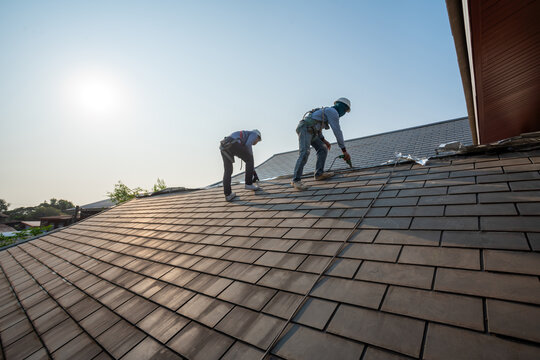
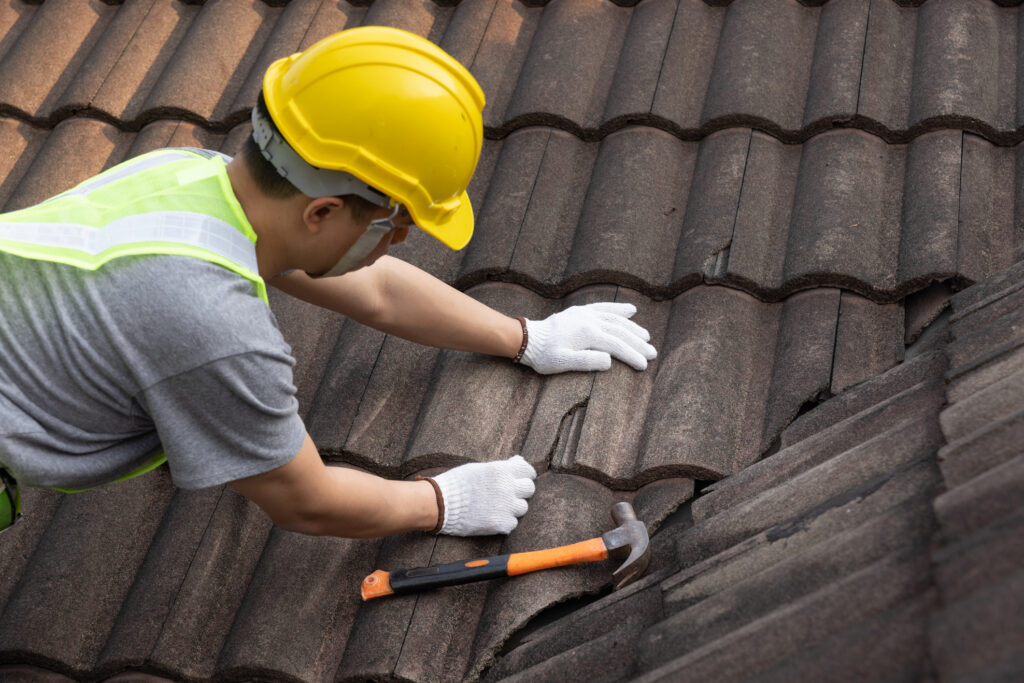
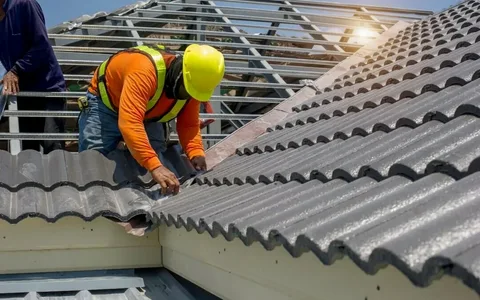
One of the most important parts of any house is the roof, which shields it from moisture, inclement weather, and structural damage. Even the best roofing systems can fail if constructed improperly; therefore, professional installation is just as crucial as high-quality components. Poor craftsmanship can cause several problems that get worse over time, frequently leading to expensive repairs or an early roof replacement. Knowing the dangers of poor roof installation makes it clear why long-lasting roof performance and peace of mind depend on skilled craftsmanship and experts like JC Master Inc.
Water Damage and Leaks: The Most Common Problem
Water leaks are among the most frequent effects of improper roof installation. Water might seep into the roof system due to inadequately sealed seams, uneven shingles, or incorrectly constructed flashing. Moisture can seep through even tiny holes in the decking and underlayment, causing damp insulation, water stains within, and ceiling damage.
Persistent wetness degrades the roof’s structure over time and causes hidden issues that might not show up until significant harm has been done. Leaks can spread and damage the home’s walls, electrical systems, and flooring if they are not fixed.
Mold and Mildew Growth:
Poor installation allows moisture to infiltrate the roofing system, which fosters the growth of mold and mildew. Attics, insulation, and wall cavities where moisture is trapped can all produce mold. In addition to destroying building materials, this puts residents’ health at risk for allergic reactions and respiratory problems.
Mold cleanup is costly, time-consuming, and frequently requires the removal of impacted materials. Installation mistakes that first permitted water ingress are frequently the root cause.
Reduced Roof Lifespan:
Depending on the material, a well-fitted roof can survive for decades. On the other hand, improper installation might significantly reduce its lifespan. Early damage can be caused by improperly nailed shingles, improperly fastened underlayment, or poorly constructed ventilation systems.
A badly installed roof could begin to fail in a matter of years rather than 20 to 50. This greatly raises long-term expenses by requiring homeowners to make repairs or complete replacements far sooner than anticipated.
Structural Damage to the Home:
Your home’s structural stability may be compromised by improper roof installation. Constant exposure to water can weaken frames, corrode roof decking, and harm load-bearing elements. Sagging roofs, uneven surfaces, and, in extreme situations, partial roof collapse can result from this structural deterioration over time.
Structural repairs are difficult and expensive and can require a large-scale reconstruction. A straightforward installation error might compromise the stability and safety of the entire house.
Poor Ventilation and Energy Efficiency:
Roof installation is not simply about laying shingles; it also involves proper ventilation. Inadequate airflow from poorly built roofs frequently results in heat and moisture being trapped in the attic. As a result, summertime interior temperatures rise, and wintertime heating expenses rise.
Additionally, poor ventilation speeds up material deterioration, which can lead to shingles bending or cracking. Homeowners suffer from increased energy costs and decreased comfort all year round as a result.
Increased Risk of Storm Damage:
A roof that is badly installed is much more prone to wind, rain, and extreme weather. During storms, improperly fastened shingles may lift or fly off, revealing the roof deck and underlayment. During periods of heavy rainfall, improper flashing around skylights, vents, and chimneys increases the risk of water penetration.
Installation mistakes can escalate a minor weather incident into a huge catastrophe in storm-prone areas, requiring emergency repairs and insurance claims.
Manufacturer Warranties at Risk:
Many producers of roofing materials need expert installation according to strict requirements. The manufacturer may void the guarantee if a roof is placed improperly, leaving the homeowner to pay for any necessary repairs or replacements.
This implies that incorrect installation might remove coverage even if the materials are flawed, leading to a large cost loss. Correct installation not only protects your roof but also makes sure your investment doesn’t go to waste.
Increased Long-Term Repair Costs:
Poor installation nearly always results in higher costs over time, even though it may save money up front. Energy inefficiency, mold removal, water damage restoration, and frequent repairs all add up. Homeowners frequently wind up paying far more than they would have if they had made an initial investment in high-quality installation.
Large sections of the roof must frequently be removed and reinstalled in order to correct installation errors, which can be expensive and unpleasant.
Conclusion:
Serious, long-term problems, including leaks, mold growth, structural damage, decreased energy efficiency, and early roof failure, can result from poor roof installation. These issues put your home’s comfort and safety at risk and may put a heavy financial burden on you. Protecting your house and extending the life of your roof depend on working with a skilled, qualified roofing contractor and making sure the right installation procedures are followed.
Get professional roofing services to protect your house; get in touch with
JC Master Inc. right now to guarantee a long-lasting, secure roof.
FAQs:
1. How can I determine whether the installation of my roof was poor?
Frequent leaks, uneven shingles, inadequate ventilation, and early wear or damage are indicators.
2. Can mold grow from improper roof installation?
Indeed, poor installation creates conditions that encourage the formation of mold by allowing moisture to enter.
3. Does insurance cover subpar installation?
Damage resulting from poor craftsmanship is typically not covered by insurance.
4. Is it possible to repair a badly fitted roof without replacing it?
While minor problems can occasionally be fixed, serious installation mistakes might necessitate a complete replacement.
5. How can I prevent roof issues associated to installation?
Employ qualified experts, check warranties, and make sure the contractor complies with product specifications.