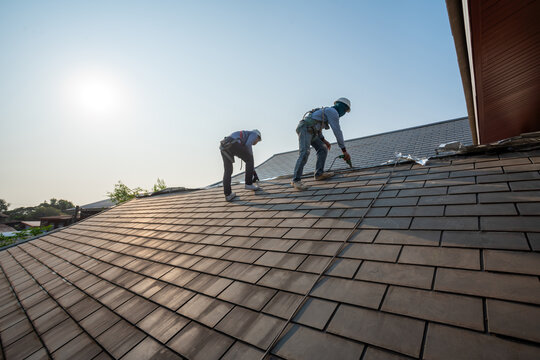
Whether it’s the effects of time or the result of extreme weather, your roof is bound to experience a few missing shingles or broken flashing. And although we highly recommend you leave the repairs to professionals, you can take care of minor issues with the right safety precautions. Watch out for the weather and methodically search for the source of the leak. Depending on the damage type, use nails or roofing cement to fix it before carefully climbing back down. To learn how to conduct roof repairs without succumbing to injuries, this blog highlights all the steps you should take.
Tips To Safe & Efficient Roof Repair: Everything Homeowners Should Know
Did you see the flashing loosen from around the chimney? Or is it warped shingles due to the endless UV rays? Roofing work is dangerous—even for the experts—so, it’s best to practice caution before you try to fix the issue on your own. Before you grab your nails and hammer, here is how you should go about fixing your roof without hurting yourself.
Take notes as we explain how to do safe roof repairs.
- Check Weather
Climbing onto a roof on a rainy and windy day is never a smart move. Ensure that the weather has calmed down enough that you won’t have to worry about slipping, losing your balance or falling before you decide to get up there.
- Wear Safety Gear
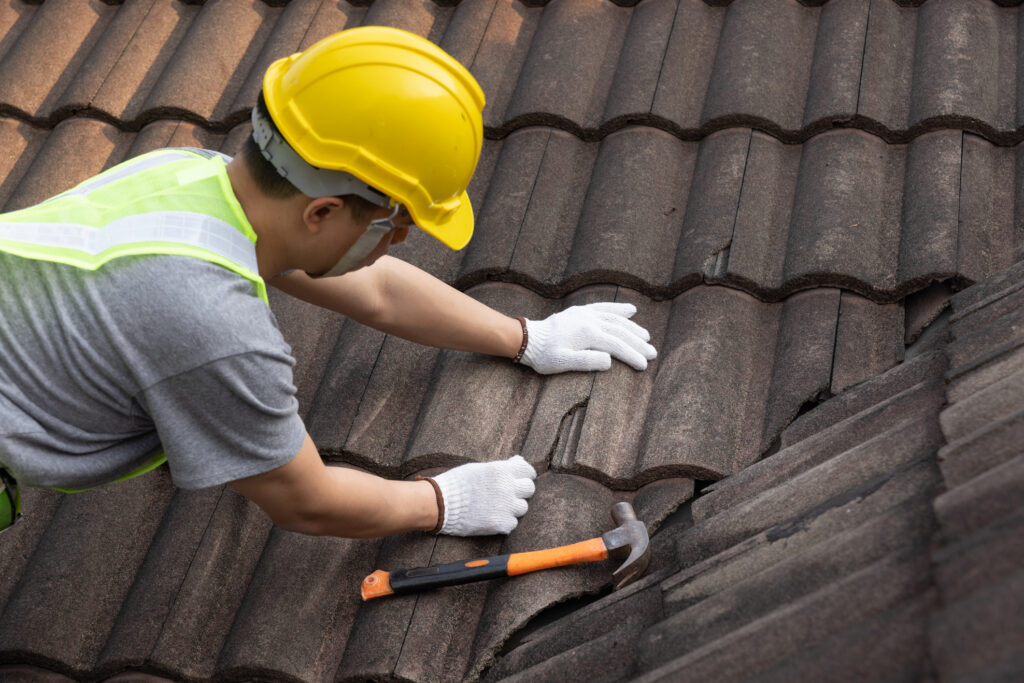
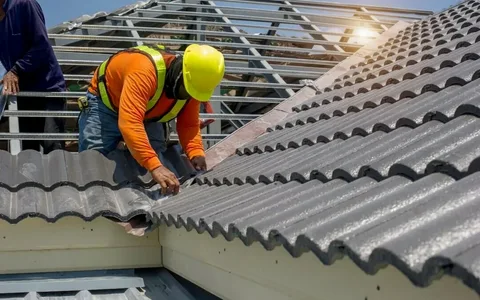
Ever notice how much equipment expert roofers have on when they work on a roof? do the same. Put on rubber roofs to grip the roof, gloves to protect your hands, a hard hat for your scalp and safety goggles to keep your eyes safe. Additionally, ensure that you have a sturdy ladder and safety harness.
| Did You Know? Over 80% of roofing injuries happen due to slips and falls |
- Assess The Roof
Locating the source of a roof leak is tricky as the water can travel down before it actually turns into a leak. But there are a few methods you can try:
- Check the attic for leak stains to determine the leak’s source.
- Look for damaged flashing and shingles from the eaves.
- Use the hose test to find out where the roof is dripping from.
- Clear The Area
Once you know where the leak is, it’s time to get to work. Carefully clean the area by removing leaves, twigs, debris and damaged material around the spot of the leak so you can work efficiently.
- Seal Cracks
In case the issue was cracked flashing or pipes, use a putty knife or caulking gun to apply roofing cement or sealant on top. Be generous with the application to ensure that there is no opening for the water droplets to slip inside again.
- Shingle Replacement
But, if it was a compromised shingle that led to the leak, you should replace it. Using a pry bar, lift the surrounding shingles and then remove the nails holding the damaged shingle in place. Slide out the damaged shingle before slipping in a new one and nailing it securely. Apply roofing cement on top for durable results.
- Flashing Replacement
If you find that the flashing is rusted or coming loose, you should either replace it or secure it. Remove the damaged piece and nail in a new one to stop the leak. Alternatively, using those roofing nails, secure the torn flashing once again to the vents and chimney.
- Temporary Tarping
If the damage is a bit more than a few roofing nails and sealant can handle, it’s better to place a heavy-duty tarp on top instead. Cover the entire damaged area and secure the tarp by wrapping its edges around 2×4 wood boards. Screw in the board to hold it in place.
- Contact Professionals
Wanting to fix the problem on your own is admirable, however recognizing that you require professional intervention is always the safest move. You should find the best emergency roofing contractor in the area and book roof repair services when:
- You’ve made temporary repairs
- The roof is too slick to work on.
- The roof has a steep pitch.
- The damage is too much for you to handle.
Conclusion
Fixing a damaged roof on your own is dangerous and only reliable and experienced roofers should be trusted with the task. But, if you insist on doing it by yourself, make sure to have safety goggles, hard hats, harnesses and rubber-soled boots on before you step onto the roof. Replace damaged flashing or secure a waterproof tarp on top to prevent further water damage to your property. at the end, reach out to an expert roofing contractor to inspect and repair your roof. we hope this blog was helpful. Stay safe and reach out for further guidance.
FAQs
How long do roofers take to reach you in an emergency?
Roofers strive to reach you within 2-4 hours, but it can take longer given the circumstances.
What is the cost of leaky roof repair?
Depending on the extent of the damage, the cost is usually between $400-1,200 for leak repairs.
How long do minor roof repair services take?
Depending on the nature and location of the damage, they take around 1-5 hours to fix.