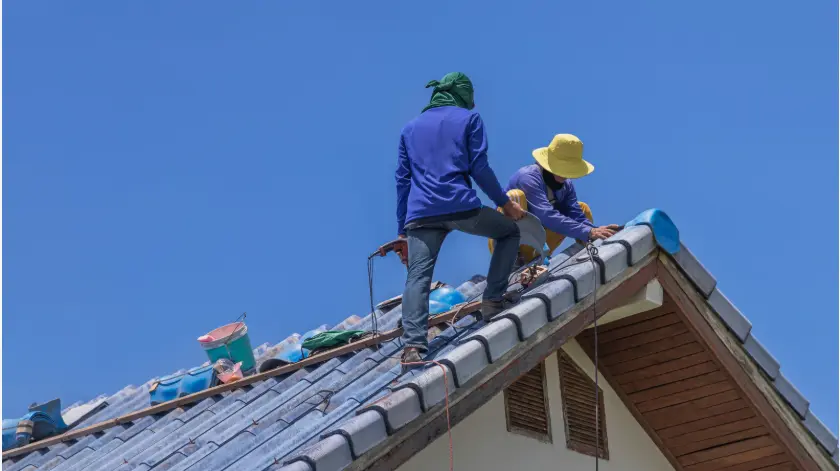
Commercial roof installation in Brooklyn, NY, typically costs around $10 to $20 per square foot, depending on the roofing material, building size, roof condition, and installation requirements. For a 10,000-square-foot commercial building, that puts the estimated project cost between $100,000 and $200,000. Projects involving specialized roofing systems, major structural repairs, or difficult site access can cost more.
For business owners, property managers, and building owners, understanding these costs before starting a roofing project can make budgeting easier. JC Master Inc. can be included in your research when comparing commercial roofing options and planning a roof installation or replacement.
This guide explains typical commercial roofing prices in Brooklyn, the differences between roofing materials, and the local factors that can affect your final estimate.
How Much Does a Commercial Roof Cost in Brooklyn?
The total cost depends on the roof’s square footage, the material you choose, and how much preparation the building needs. A straightforward installation on a sound roof deck will generally cost less than a replacement that requires old roofing removal, insulation upgrades, drainage work, or structural repairs.
Here is a general budget guide using an estimated range of $10 to $20 per square foot.
| Roof Size | Estimated Installation or Replacement Cost |
|---|---|
| 2,000 sq. ft. | $20,000–$40,000 |
| 5,000 sq. ft. | $50,000–$100,000 |
| 7,500 sq. ft. | $75,000–$150,000 |
| 10,000 sq. ft. | $100,000–$200,000 |
| 15,000 sq. ft. | $150,000–$300,000 |
| 20,000 sq. ft. | $200,000–$400,000 |
These figures are for early budgeting only. The final price may be higher or lower based on the roofing system, existing roof layers, labor, permits, equipment access, and the amount of repair work needed.
It is also important to clarify whether a contractor is pricing a new roof over a prepared surface, a complete tear-off and replacement, or a larger project that includes insulation and drainage improvements.
Commercial Roofing Materials and Their Costs
Most commercial buildings in Brooklyn have flat or low-slope roofs. These roofs usually need membrane systems or other roofing materials designed to manage water and protect the building, rather than standard residential shingles.
The right material depends on your building’s use, energy goals, maintenance needs, roof traffic, and budget.
| Roofing Material | Estimated Installed Cost per Sq. Ft. | Best Suited For |
|---|---|---|
| EPDM rubber roofing | $8–$13 | Flexible rubber roofing and budget-conscious projects |
| TPO roofing | $9.50–$15 | Reflective roofing and heat-welded seams |
| PVC membrane roofing | $11–$16+ | Buildings needing resistance to certain chemicals, oils, and fire exposure |
| Modified bitumen | $10–$18 | Flat roofs with regular maintenance access or foot traffic |
| Standing seam metal roofing | $15–$25+ | Projects seeking a metal roof system and a potentially long service life |
These material ranges are approximate and may not include every project expense. Prices vary with insulation thickness, roof details, material specifications, labor, and the complexity of the installation. The estimates also come from different pricing references, so they should not be treated as a direct, like-for-like quote comparison.
EPDM Roofing
EPDM is a synthetic rubber roofing membrane commonly used on flat and low-slope commercial roofs. It offers flexibility and can work well on buildings that need a practical roofing system without choosing a more specialized membrane.
Its final cost depends on membrane thickness, installation method, insulation, flashing details, and the condition of the roof deck. EPDM may be worth considering for warehouses, commercial properties, and multi-family buildings where the roof design is suitable.
TPO Roofing
TPO is a single-ply membrane often selected for its reflective surface and heat-welded seams. A properly designed and installed system can help reduce heat absorption, although actual energy savings depend on insulation, building use, weather, and the existing roof.
TPO is common on commercial flat roofs, but the installer must pay close attention to seams, edges, penetrations, and drainage points. These details are important for keeping the roof watertight.
PVC Roofing
PVC is another single-ply roofing membrane. It can be a good option for certain commercial properties where exposure to oils, grease, or specific chemicals is a concern. Its suitability depends on the type and concentration of the substances present, so building owners should discuss the site’s conditions with a qualified roofing professional.
PVC may cost more than some other membrane systems, especially when the project requires particular material specifications or additional roof details.
Modified Bitumen Roofing
Modified bitumen is a multi-layer roofing system commonly used on flat and low-slope roofs. It may suit commercial and multi-family properties where the roof needs a system designed for the building’s expected use and maintenance requirements.
Installation methods, the number of layers, insulation, surface finish, and existing roof conditions all influence the final price. The contractor should also explain any fire-safety requirements associated with the selected installation method.
Standing Seam Metal Roofing
Standing seam metal roofing generally costs more than common membrane systems. It may be suitable for commercial buildings where the roof design, appearance, and expected service life support the investment.
The roof’s shape, metal type, panel details, flashing, and installation access can substantially affect the price. Metal roofing is not automatically the best choice for every flat commercial roof, so the system must match the building’s structure and design.
Why Commercial Roofing Can Cost More in Brooklyn, NY
Commercial roofing in Brooklyn can cost more than similar projects in less densely developed areas. Labor and material prices are only part of the budget. Building access, sidewalk protection, permitting, energy-code requirements, and the condition of older properties can also affect the total.
1. Scaffolding and Sidewalk Protection
Some projects require scaffolding, sidewalk sheds, protective barriers, or other measures to keep pedestrians safe while roofing work is underway. These requirements depend on the building, the work being performed, and the site conditions.
A planning allowance of $5,000 to $15,000 may be used for certain projects with substantial access or protection needs, but this is not a standard charge for every commercial roof. Permits, installation duration, sidewalk conditions, and the amount of equipment required can change the cost.
Before work begins, ask the contractor whether access equipment, pedestrian protection, delivery arrangements, and any required permits are included in the estimate.
2. Insulation and NYC Energy-Code Requirements
Roof replacement can be an opportunity to improve insulation and reduce unwanted heat transfer. However, the required insulation level depends on the building, the scope of work, the applicable code provisions, and any relevant exceptions.
An R-30 insulation target may be relevant to some roofing projects, but it should not be assumed to be the universal requirement for every commercial roof replacement in New York City. Confirm the applicable requirements with the project professional and the NYC Department of Buildings.
Adding or upgrading insulation may add approximately $2 to $4 per square foot as a preliminary budgeting allowance. The actual cost depends on the insulation type, thickness, roof slope, drainage design, and whether the existing roof assembly can remain in place.
Tapered insulation may also be needed to improve water flow toward drains. Although this can increase the initial investment, appropriate insulation and drainage planning can help prevent recurring roof problems.
3. Historic Buildings and Landmark Approval
Some Brooklyn properties are located in historic districts or are designated landmarks. Buildings in areas such as Brooklyn Heights, DUMBO, and Park Slope may have additional review requirements depending on their specific location and designation.
If a project affects a landmarked building or a protected exterior feature, approval from the NYC Landmarks Preservation Commission may be required before the work proceeds. Requirements depend on the property and the proposed changes.
Replacing a roof with a different material, changing visible roof features, or altering other protected elements may require additional planning. Confirm the property’s status and approval requirements before selecting materials or scheduling installation.
4. Removing the Existing Roof
For a full replacement, the contractor may need to remove and dispose of the existing roofing system before installing the new one. This process is known as a tear-off.
A preliminary estimate for tear-off and disposal is approximately $1 to $3 or more per square foot. Costs depend on the number of existing layers, material type, disposal requirements, roof access, and the amount of labor involved.
A roof replacement that requires removing several old layers may cost considerably more than work on a clean, prepared surface. Ask whether removal, hauling, disposal, and any required protective measures are included in the written estimate.
5. Hidden Roof Deck or Structural Damage
Older Brooklyn buildings may have damage that is not visible until the roofing material is removed. Water entering through long-term leaks can damage roof decking, insulation, flashing, or structural components.
Rotted decking, rusted metal, weakened supports, and wet insulation may require repair or replacement before the new roof can be installed. This can increase both the cost and the time needed to finish the project.
A contingency allowance of 10% to 20% may be worth considering for older buildings with signs of leaks or uncertain roof conditions. This is a budgeting suggestion, not a prediction that every project will need that amount.
Ask the contractor how hidden damage will be documented, how additional work will be priced, and whether approval will be requested before repairs outside the original scope begin.
Other Costs to Include in Your Roofing Budget
The roofing material is only one part of the total project. Several other items can affect the price of commercial roof installation in Brooklyn.
Insulation and roof slope: New insulation, tapered boards, and adjustments to the roof assembly can increase material and labor costs.
Drainage improvements: Damaged drains, blocked drainage paths, or areas where water collects may require repair or redesign. Poor drainage can contribute to leaks and premature roof deterioration.
Flashing and roof penetrations: The areas around parapet walls, vents, pipes, skylights, and other roof openings need proper waterproofing. Complex details can require additional labor and materials.
HVAC equipment: Commercial roofs often contain heating and cooling equipment. If units need to be lifted, temporarily moved, or reconnected to complete the roofing work, the project may require additional trades and equipment.
Permits and professional services: Depending on the scope, a project may involve permit fees, design work, engineering review, or other professional services. Confirm which items apply to your property.
Building access and scheduling: Narrow streets, limited staging areas, delivery restrictions, occupied spaces, and coordination with tenants or businesses may affect labor and equipment costs.
A detailed estimate should list these items clearly rather than combining every expense into a single unexplained figure.
Commercial Roof Installation vs. Roof Replacement
A new installation and a roof replacement may involve different amounts of work.
A new installation may begin with a prepared roof deck and include the roof assembly, insulation, membrane or other covering, flashing, and drainage details. The price depends on the building design and the specified roofing system.
A replacement may also require removing the old roof, disposing of waste, inspecting the roof deck, repairing damage, and bringing affected parts of the roof assembly into compliance with current requirements.
In some cases, a roof recovery—installing an approved new system over an existing roof—may be possible. However, it is not suitable for every building. Existing moisture, the number and condition of roof layers, structural capacity, drainage, and applicable codes all need to be considered.
A roofing professional should inspect the existing assembly and explain whether a recover, partial replacement, or complete tear-off is appropriate.
How to Keep Your Commercial Roofing Project on Budget
You do not necessarily need to choose the cheapest material to manage roofing costs. A better approach is to compare complete proposals and understand what each system includes.
Start by obtaining a written estimate that identifies the roofing material, insulation, tear-off, disposal, flashing, drainage work, and other project requirements. Make sure the quoted square footage and scope match your building.
Ask contractors to explain the expected maintenance needs, warranty terms, and any exclusions. A lower initial price may not represent the same work or materials as a more detailed proposal.
It also helps to address leaks and drainage problems before they cause more damage. Regular roof inspections can identify loose flashing, blocked drains, membrane damage, and other issues while repairs may still be manageable.
For older properties, keep a contingency in your budget and agree on a process for approving unexpected repairs. This can help prevent confusion if concealed damage is found after tear-off.
What Should a Commercial Roofing Estimate Include?
Before choosing a contractor, check that the estimate clearly explains:
- Total roof area and the roofing system being proposed.
- Material specifications and insulation requirements.
- Removal and disposal of existing roofing, if needed.
- Roof deck repairs, flashing, drainage, and penetrations.
- Scaffolding, sidewalk protection, equipment access, and applicable permits.
- Project schedule, payment terms, warranty coverage, and exclusions.
- How unexpected damage and additional work will be handled.
Comparing estimates with the same scope makes it easier to understand differences in price and avoid choosing a proposal that leaves important work out.
Frequently Asked Questions
How much does a commercial roof cost in Brooklyn, NY?
A commercial roof installation or replacement may cost around $10 to $20 per square foot as an initial planning range. A 10,000-square-foot project could therefore cost approximately $100,000 to $200,000. The actual price depends on the roofing system, roof condition, access requirements, and project scope.
What is the least expensive commercial roofing material?
EPDM and some modified bitumen systems may offer lower starting prices in certain projects. However, costs depend on the roof assembly, installation method, insulation, and preparation work. Compare complete installed estimates rather than material prices alone.
Is TPO a good choice for a commercial flat roof?
TPO can be a suitable option for many commercial flat and low-slope roofs. Its reflective surface and heat-welded seams are useful features, but performance depends on correct installation, suitable roof design, drainage, and maintenance.
How much does commercial roof tear-off cost?
Tear-off and disposal may cost approximately $1 to $3 or more per square foot. The price varies according to the existing roof layers, materials, access, labor, and disposal requirements. It should be listed separately in the estimate when applicable.
Do commercial roof replacements require permits in Brooklyn?
Some commercial roofing projects require permits or other approvals, while certain limited repairs may be treated differently. Requirements depend on the work’s scope and the property. Check the NYC Department of Buildings requirements and confirm the applicable approvals before construction begins.
Can I install a new roof over my existing commercial roof?
Sometimes. A roof recover may be allowed when the existing assembly, structural capacity, moisture condition, and applicable code requirements make it suitable. A complete tear-off may be necessary if the existing roof is wet, damaged, or otherwise unsuitable.
What can increase the cost of a commercial roof replacement?
Common cost factors include extensive tear-off, damaged decking, insulation upgrades, drainage problems, complicated flashing, HVAC equipment, difficult access, sidewalk protection, and additional approval requirements.
How can I estimate a commercial roofing job?
Start with the roof’s square footage and an appropriate per-square-foot planning range. Then account for the roofing system, removal of existing materials, insulation, repairs, drainage, access equipment, permits, and a contingency for unknown conditions. A site-specific inspection and written estimate are needed for a reliable project budget.
Plan Your Commercial Roofing Project With JC Master Inc.
Choosing a commercial roofing system requires more than comparing prices per square foot. The right decision depends on the building’s roof design, current condition, insulation needs, drainage, and long-term maintenance requirements.
JC Master Inc. can be considered as you research your commercial roofing project in Brooklyn, NY. Before moving forward, discuss the building’s size, existing roof material, leak history, access limitations, and the type of roofing system you are considering.
A detailed, site-specific proposal will help you understand the expected work, compare options fairly, and plan a budget that reflects your building’s actual needs.