Damaged siding does not always mean your entire home needs new siding. In many cases, a cracked, loose, or damaged section can be repaired without replacing the whole exterior. However, widespread damage, moisture problems, rot, or aging siding may make replacement the better option.
Knowing the difference between a repairable problem and a replacement situation can help you avoid unnecessary costs and prevent minor siding issues from becoming larger problems.
So, how do you know whether your siding needs repair or replacement? The answer depends on the type of damage, how much of the siding is affected, the condition of the material underneath, and the overall age and condition of your exterior.
When Can Damaged Siding Be Repaired?
Siding repair is often a practical solution when the damage is limited to a small area and the surrounding siding is still in good condition.
For example, a few cracked panels caused by an impact, a loose section after strong winds, or localized damage from falling branches may not require a complete siding replacement.
Repair may be appropriate when:
- Only a few panels or boards are damaged
- The damage is limited to one area
- The siding is otherwise in good condition
- There are no signs of widespread moisture damage
- The material underneath the siding is still sound
- Matching replacement material is available
- The damage has a clear and isolated cause
In these situations, replacing the affected panels or boards can restore the appearance and protection of the exterior without disturbing siding that is still performing well.
Common Siding Problems That May Need Repair
Not every siding issue requires a major project. Some common problems can be addressed with targeted repairs.
Cracked or Broken Panels
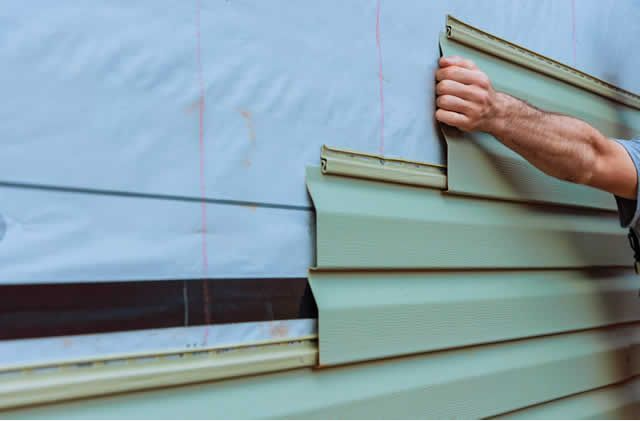
Vinyl siding can crack after an impact from branches, tools, sports equipment, or other objects. If only a small number of panels are affected, those sections may be replaced individually.
Loose Siding
Wind, improper fastening, or general wear can cause siding panels or boards to become loose. A professional can inspect the area and determine whether the siding can be secured or whether the damaged section needs replacement.
Small Holes or Impact Damage
Small areas of damage caused by weather or accidental impact may be repairable if the surrounding siding remains in good condition.
Damaged Trim
Trim around windows, doors, corners, and other exterior areas can become cracked or separated. Repairing the affected trim may help prevent water from reaching areas behind the siding.
Isolated Wood Damage
Wood siding can sometimes develop localized damage from moisture, insects, or impact. If the problem is limited and the surrounding material is sound, replacing the affected board may be sufficient.
When Should Siding Be Replaced?
Repair is not always the best solution. If the siding has widespread damage or has stopped providing proper protection, replacement may make more sense.
Signs that siding replacement may be necessary include:
- Extensive cracking or breaking
- Widespread warping or buckling
- Rotting wood siding
- Repeated moisture damage
- Multiple damaged areas across the home
- Siding that repeatedly requires repairs
- Significant deterioration from age
- Loose or failing sections throughout the exterior
- Difficulty finding matching replacement material
If several areas are deteriorating at the same time, repeatedly repairing individual sections may only provide a temporary solution.
How Moisture Damage Can Affect Your Siding
One of the most important factors when deciding between repair and replacement is whether moisture has reached the materials behind the siding.
Damaged siding can allow water to reach the wall assembly. Over time, moisture may contribute to deterioration of materials behind the exterior.
Look for warning signs such as:
- Soft or swollen areas
- Discoloration
- Peeling or bubbling surfaces
- Rot
- Mold or mildew
- Persistent dampness
- Water stains inside the home
- Siding that repeatedly deteriorates in the same location
If moisture has affected the material behind the siding, simply replacing the visible panel may not address the underlying problem.
A professional inspection can help determine how far the damage extends before deciding on a repair or replacement.
Does the Type of Siding Matter?
Yes. Different siding materials can respond differently to damage and repairs.
Vinyl Siding
Vinyl siding is made up of individual panels, so localized damage can sometimes be addressed by replacing affected panels rather than the entire exterior.
However, older vinyl siding can be difficult to match if the original color, profile, or product is no longer available. Sun exposure can also cause existing siding to fade, making a new panel more noticeable.
Wood Siding
Wood siding can be repaired or replaced board by board in some situations. However, moisture, rot, insects, and repeated exposure to weather can cause deterioration.
If damage is limited to a few boards, targeted replacement may work. If rot or deterioration is widespread, replacing larger sections may be more practical.
How Age Affects the Repair-or-Replace Decision
The age of your siding is another factor to consider.
If your siding is relatively new and most of it remains in good condition, repairing a damaged section can make sense.
On the other hand, older siding may already show multiple signs of wear. In that situation, investing in repeated repairs may not be the most practical choice.
Age alone does not automatically mean your siding needs replacement. The overall condition matters more. A professional should consider the material, extent of damage, previous repairs, moisture exposure, and condition of the exterior before recommending a solution.
What About Faded or Discolored Siding?
Fading does not necessarily mean siding has failed.
Exterior siding is exposed to sunlight, rain, wind, temperature changes, and other weather conditions. Over time, colors can become less consistent.
If the siding is structurally sound and the issue is mainly cosmetic, replacement may not be necessary.
However, widespread fading combined with cracking, warping, moisture problems, or other deterioration may indicate that the siding is approaching the point where replacement makes more sense.
Can You Replace Just One Section of Siding?
In many cases, yes.
Partial siding replacement can be a good option when damage is concentrated in one area. For example, if a storm damages siding on one side of your home while the rest remains in good condition, replacing the affected section may be more practical than replacing the entire exterior.
However, the final appearance depends on whether the new siding can be matched with the existing material.
Color, texture, profile, size, and age can all affect how well replacement siding blends with the existing exterior.
Repair vs. Replacement: Which Is More Cost-Effective?
There is no single answer for every home.
A small repair is generally less extensive than replacing an entire exterior, but repeatedly repairing siding that is already deteriorating can become inefficient.
Consider these questions:
How much siding is damaged?
A small isolated area may be a good candidate for repair, while widespread damage may point toward replacement.
Is there damage underneath?
If moisture or rot has reached the materials behind the siding, more extensive work may be needed.
How old is the siding?
Older siding with multiple problems may be a better candidate for replacement.
Can the existing siding be matched?
If replacement pieces are unavailable or difficult to match, replacing a larger section may provide a more consistent result.
Are problems recurring?
Repeated repairs in the same or multiple areas can indicate a larger issue.
What Happens During a Professional Siding Inspection?
A siding inspection helps determine whether the visible damage is isolated or part of a larger problem.
A contractor may examine:
- Cracked or broken panels
- Loose sections
- Warping or buckling
- Water damage
- Rot
- Areas around windows and doors
- Trim and corners
- Previous repairs
- The general condition of the exterior
The goal is not simply to identify what looks damaged. It is to understand the condition of the siding and determine what type of work is actually needed.
Should You Repair Siding Yourself?
Small cosmetic issues may look simple, but siding repairs can require the right tools, replacement materials, fastening methods, and installation techniques.
DIY work can also make a problem worse if damaged siding is covering moisture or deterioration underneath.
If you are unsure about the extent of the damage, professional evaluation is a safer approach. This is particularly important when you notice soft areas, rot, recurring moisture problems, or widespread deterioration.
How to Prevent Siding Damage
Regular maintenance can help you identify problems before they become more extensive.
Inspect your siding periodically for:
- Cracks
- Loose panels
- Gaps
- Warping
- Peeling
- Rot
- Mold or mildew
- Water stains
- Damaged trim
Keep gutters and downspouts working properly so water is directed away from your exterior. After severe weather, inspect the siding for impact damage and loose sections.
Addressing small problems early can help protect the rest of your exterior.
5 Questions to Ask Before Replacing Your Siding
Before committing to a full siding replacement, ask:
1. How extensive is the damage?
Determine whether the problem affects one small section or multiple areas of the home.
2. Is there moisture or rot underneath?
Visible siding damage may not tell the whole story.
3. Can the existing siding be matched?
A close match can be important if you are replacing only part of the exterior.
4. Is the siding still in generally good condition?
If most of the siding remains sound, repair or partial replacement may be worth considering.
5. Will another repair solve the problem?
If the same issue keeps returning, investigate the underlying cause rather than repeatedly treating the visible damage.
When to Call a Siding Contractor
Consider contacting a siding contractor when you notice significant cracking, widespread damage, water intrusion, rot, repeated siding failures, or sections that are pulling away from the home.
A professional can evaluate the exterior and help determine whether siding repair, partial replacement, or full siding replacement is the most appropriate option.
JC Master Inc provides siding services for homeowners and businesses, including vinyl and wood siding repair and replacement. The company’s siding services include repairing broken or loose panels, replacing sections, addressing water damage and rot, and improving exterior protection.
Repair or Replace? Start With an Inspection
Damaged siding does not automatically mean you need to replace your entire home exterior. If the damage is isolated and the surrounding siding remains in good condition, a targeted repair may be all that is needed.
However, widespread deterioration, recurring damage, moisture problems, rot, or aging siding can make replacement the more practical option.
The best way to make the right decision is to evaluate the full condition of the siding rather than focusing on one damaged panel.
If your home’s siding is cracked, loose, warped, or showing signs of water damage, contact JC Master Inc for professional siding repair or replacement services.
Frequently Asked Questions
Can damaged siding be repaired instead of replaced?
Yes. If the damage is limited to a small area and the surrounding siding is in good condition, individual panels or boards may be repaired or replaced.
How do I know if my siding needs to be replaced?
Widespread cracking, warping, rot, moisture damage, recurring problems, and significant deterioration are signs that replacement may be more appropriate than another repair.
Can you replace only damaged siding?
In many situations, yes. Partial replacement can be a practical option when damage is limited to specific sections of the exterior.
Is cracked vinyl siding repairable?
A small amount of localized damage may be addressed by replacing the affected vinyl panel. The surrounding siding and availability of matching material should be considered.
Should I replace siding with water damage?
It depends on the extent of the damage. If moisture has affected the siding or materials behind it, the affected area should be properly evaluated before deciding on repair or replacement.
How long does siding repair take?
The timeframe depends on the amount and type of damage, the siding material, the availability of replacement materials, and whether additional repairs are needed underneath.
Does new siding improve the appearance of a home?
Yes. Replacing damaged or heavily deteriorated siding can refresh the exterior and create a more consistent appearance while improving protection from outdoor conditions.