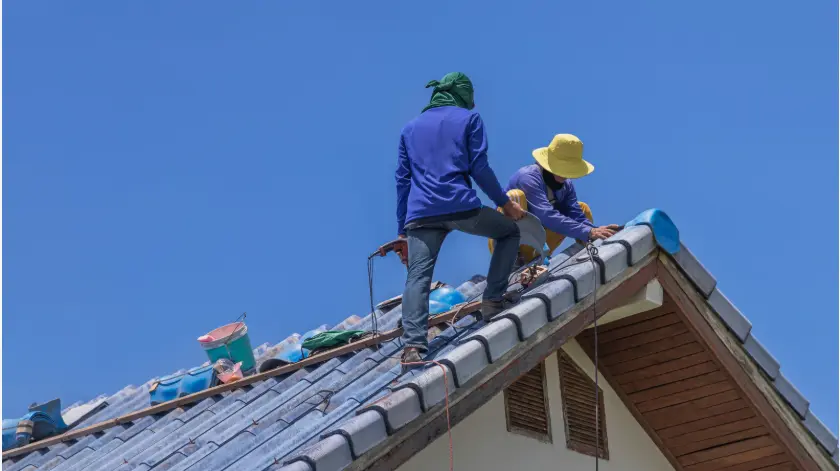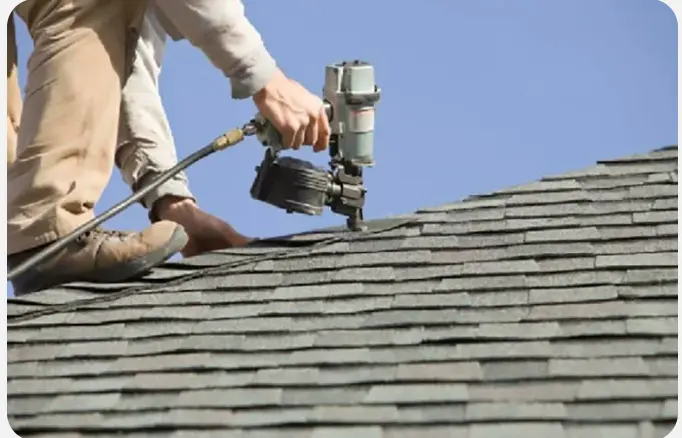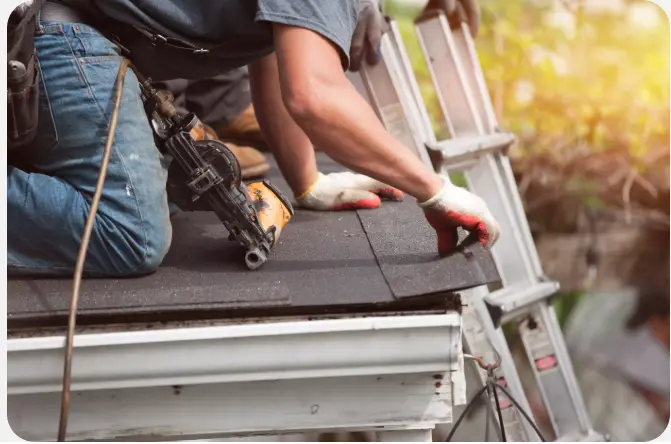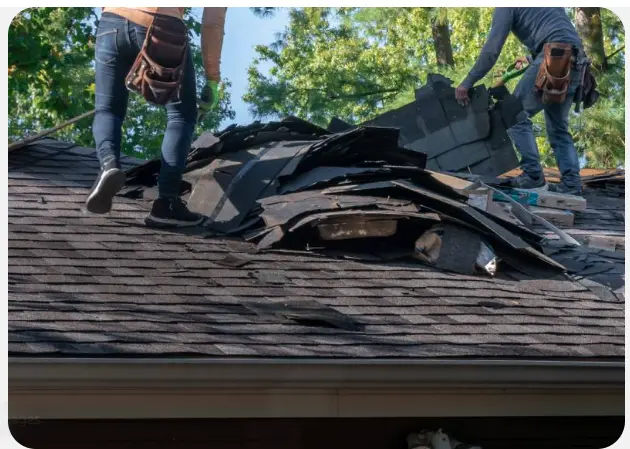
If your roof has started leaking, shingles are curling, or you keep paying for repairs, you may be wondering whether it is time for a new roof. The next question is usually about cost. How much should you expect to pay for roof replacement in the Bronx, NY, and what can make the price go up or down?
For many homeowners, a new asphalt shingle roof in the Bronx may cost around $8,000 to $17,000, depending on the size and condition of the roof. Some smaller, simpler projects may cost less, while large roofs, premium materials, steep slopes, or extensive repairs can push the price above $20,000. Flat roofs on rowhouses and multi-family buildings have different pricing requirements.
The final price depends on more than the roofing material. Labor, removal of the old roof, damaged wood underneath, flashing, permits, and access to the property can all affect your budget.
In this guide, JC Master Inc. explains the main roof replacement costs in the Bronx, compares common roofing materials, and shares what to check before hiring a roofing contractor.
What Is the Average Cost of Roof Replacement in the Bronx, NY?
As a general planning estimate for 2026, many standard asphalt shingle roof replacement projects in the Bronx fall between $8,000 and $17,000. However, this is not a fixed price for every home.
For straightforward asphalt shingle projects, an approximate installed cost of $6 to $10 per square foot can be a useful starting point. Actual estimates may fall outside this range depending on the scope of work, material selection, and condition of the existing roof.
Here is a general example of how roof size can affect the budget.
| Actual Roof Area | Estimated Cost at $6–$10 per Sq. Ft. |
|---|---|
| 1,000 sq. ft. | $6,000–$10,000 |
| 1,500 sq. ft. | $9,000–$15,000 |
| 2,000 sq. ft. | $12,000–$20,000 |
| 2,500 sq. ft. | $15,000–$25,000 |
| 3,000 sq. ft. | $18,000–$30,000 |
These figures are illustrative budgeting estimates, not a quote from JC Master Inc. They assume the stated price per square foot applies to the measured roof area. They do not guarantee that every project will include all repairs, permit fees, or other additional costs.
One important detail: your home’s floor area is not necessarily the same as its roof area. A sloped roof covers more area than the building footprint, and roof overhangs, dormers, and multiple levels can increase the total.
Roofers also commonly measure roofing projects in squares. One roofing square equals 100 square feet of roof area. This measurement helps contractors calculate the amount of shingles, underlayment, and other materials required.
The most reliable way to establish your actual roof replacement cost is to have the roof measured and inspected before accepting an estimate.
What Affects the Cost of a New Roof in the Bronx?
Two homes on the same street can receive very different roofing estimates. The reason is that every roof has its own size, design, materials, and repair needs.
1. Roof Size and Shape
Roof size is one of the biggest factors in the total cost. A larger roof requires more materials and usually more installation time.
The shape also matters. A simple roof with two slopes is generally easier to work on than a roof with several valleys, dormers, skylights, chimneys, and intersecting sections.
Each additional detail can require more cutting, flashing, sealing, and careful installation. This increases labor time and may raise the total cost.
2. Roofing Material
The material you choose affects the initial price and the type of maintenance your roof may need in the future.
Asphalt shingles are a common option for pitched residential roofs because they come in different styles and price ranges. Flat and low-slope roofs often use systems such as EPDM rubber or TPO membranes.
Metal and slate are other options for certain buildings, but their suitability and cost depend on the structure, installation requirements, and material selected.
When comparing estimates, make sure the contractor identifies the actual material and product grade rather than simply listing “new roofing.”
3. Labor and Installation
Labor can represent a substantial part of a roof replacement budget. The amount depends on the size of the crew, installation difficulty, safety requirements, and time needed to complete the project.
In the Bronx, attached homes, narrow streets, multi-story buildings, and limited space for equipment can make some jobs more complicated.
Steep roofs may require additional fall protection and careful material handling. Roofs with several chimneys or other features also take more time to install correctly.
Ask your contractor to explain what the labor charge includes so you can compare estimates fairly.
4. Removing the Old Roofing Material
A complete roof replacement often begins with removing the existing shingles or roofing membrane. This is commonly called a tear-off.
The cost depends on how much material must be removed, how many existing layers are present, and how debris will be carried away and disposed of.
A roof with several layers may require more labor than a roof with one layer. Removal also allows the contractor to inspect the underlying deck before installing the new roofing system.
Ask whether tear-off and disposal are included in the quoted price. Otherwise, the initial estimate may not reflect the full cost of the project.
5. Roof Decking Repairs
The roof deck is the layer of wood or other structural material beneath the finished roofing system. If water has entered through damaged shingles or flashing, parts of the deck may have become soft, rotten, or weakened.
These problems are not always visible before the old roofing material is removed.
If damaged decking is discovered, the affected sections may need to be replaced before the new roof can be installed. This adds materials and labor to the project.
A good estimate should explain how these repairs will be handled and what additional charges may apply if hidden damage is found.
6. Flashing, Chimneys, and Roof Openings
Flashing helps keep water out of the areas where the roof meets a wall, chimney, vent, skylight, or other opening.
Old or damaged flashing can cause leaks even when the main roofing material appears to be in good condition.
During roof replacement, these areas should be inspected carefully. Depending on their condition and the project scope, new flashing or related repairs may be needed.
Although these details may seem minor, they play an important role in protecting the building from water damage.
7. Ventilation and Insulation
Proper roof and attic ventilation helps manage heat and moisture. Poor ventilation can contribute to condensation, moisture problems, and premature deterioration of some roofing components.
During a replacement project, a contractor may recommend improvements to ventilation or insulation if the existing setup is inadequate.
These upgrades can add to the initial cost, but addressing a known problem during a larger roofing project may help prevent future issues.
8. Permits and Building Requirements
Roofing permit requirements in New York City depend on the type and scope of work. Replacing roof covering without structural changes may be treated differently from replacing damaged decking or making structural alterations.
Do not assume that every roofing job requires the same permit, or that a full replacement is automatically exempt.
Before work begins, confirm the requirements for your specific property with the NYC Department of Buildings or a qualified contractor familiar with local rules.
How Much Does Roof Replacement Cost by Material?
The best roofing material depends on your property’s design, roof slope, budget, and long-term plans. The Bronx has a mix of pitched residential roofs and flat or low-slope roofs, so one roofing system will not suit every building.
Asphalt Shingle Roofing
Asphalt shingles are a common choice for detached and semi-detached houses with pitched roofs.
They are available in several styles, including basic three-tab shingles and architectural shingles. Architectural shingles have a dimensional appearance and are often selected for their appearance and product options.
The total installation cost depends on the shingle grade, roof size, tear-off requirements, underlayment, flashing, and labor.
When comparing shingles, check the manufacturer’s specifications, wind ratings, warranty conditions, and installation requirements.
EPDM Rubber Roofing
EPDM is a synthetic rubber roofing membrane commonly used on flat and low-slope roofs.
It can be suitable for certain Bronx rowhouses, apartment buildings, and other properties with flat roofing systems. Installation costs depend on roof size, membrane thickness, insulation, attachment method, flashing, and the condition of the existing surface.
The quality of seams and details around drains, walls, and roof openings is particularly important. Poor installation in these areas can allow water to enter the building.
TPO Flat Roofing
TPO is a single-ply roofing membrane often used on commercial and residential flat roofs.
The seams are typically heat-welded, creating a continuous roofing surface when installed correctly. Some TPO products have reflective surfaces that can help reduce solar heat absorption, although the overall energy benefit depends on the building and roof assembly.
The final price depends on the selected system, insulation requirements, roof layout, drainage, and labor.
Metal Roofing
Metal roofing may be appropriate for some properties, depending on their design and structure.
The cost varies with the type of metal, panel profile, protective finish, underlayment, flashing, and installation method. Metal roofing should be selected based on the building’s requirements rather than appearance alone.
Slate Roofing
Slate is a premium roofing material used on certain residential and historic-style buildings. It can have a higher upfront cost because of the material itself and the specialized installation it may require.
Since slate can be heavy, the roof structure must be suitable for the system. Repairs and replacement should be handled by contractors familiar with slate roofing.
Which option should you choose? Start with the existing roof design and the building’s needs. Ask for an estimate that identifies the material, preparation work, flashing details, and warranty information. Comparing the complete roofing systems is more useful than comparing material prices alone.
Roof Replacement Cost by NYC Borough
Roof replacement prices can differ across New York City because of property types, access, labor, and project complexity.
The following are broad planning ranges for asphalt shingle replacement drawn from the supplied local competitor estimates. They are not official borough averages or guaranteed prices, and they may not reflect current quotes for every property.
| Area | Indicative Asphalt Shingle Replacement Range |
|---|---|
| The Bronx, NY | $8,000–$17,000 |
| Queens, NY | $8,000–$18,000 |
| Brooklyn, NY | $10,000–$25,000 |
| Manhattan, NY | $12,000–$25,000+ |
| Staten Island, NY | $7,500–$16,000 |
These comparisons are intended to illustrate how project conditions may affect pricing, not to suggest that every roof in one borough costs more than a similar roof elsewhere.
For example, an accessible roof on a detached home may be less complicated to replace than a roof on a multi-story building with limited equipment access. The material, roof size, and amount of repair work may matter more than the borough itself.
The figures above also apply to asphalt shingle projects. Flat roofing systems should be estimated according to their specific materials and installation requirements.
Reshingling vs. Full Roof Replacement: What Is the Difference?
The terms reshingling and roof replacement are sometimes used interchangeably, but the work involved can be different.
Reshingling generally means installing new shingles, while a full roof replacement often involves removing the existing roofing system and checking the underlying deck before installing the new materials.
A simple reshingling project may have a lower initial cost when the existing roof and underlying structure are suitable for the planned work. However, adding new shingles over an old layer is not the same as removing the old roof and inspecting the deck.
When Is Reshingling an Option?
Reshingling may be appropriate when the roof structure and decking are in good condition and the proposed installation meets applicable building requirements and manufacturer specifications.
A contractor should inspect the existing roof and explain whether the work can be completed without a full tear-off.
When Is a Full Tear-Off Better?
A tear-off may be necessary when the existing roofing is severely damaged, multiple layers are present, or the underlying deck needs inspection and repair.
Removing the old materials gives the contractor an opportunity to identify hidden damage before installing the new roof.
Although tear-off adds labor and disposal costs, it can help prevent existing problems from being concealed beneath a new roofing layer.
Before choosing either option, ask your contractor to explain the advantages, limitations, and total cost of each approach for your property.
What Is Included in a Complete Roof Replacement?
A roof replacement involves more than installing new shingles or a membrane. The exact scope depends on the building and the roofing system, but a typical project may include the following steps.
- Roof inspection and measurement: The contractor assesses the roof’s dimensions, slope, materials, visible damage, and installation requirements.
- Site preparation: The crew prepares the work area and takes steps to protect the property.
- Removal of old roofing: Existing shingles or membranes are removed when required by the project.
- Deck inspection: The underlying roof deck is checked for soft, damaged, or deteriorated sections.
- Deck repairs: Damaged areas are repaired or replaced as needed and approved.
- Underlayment installation: Appropriate underlayment or moisture protection is installed according to the roofing system.
- Flashing and edge details: Roof edges, walls, chimneys, vents, and other openings are addressed.
- New roofing installation: The selected shingles, membrane, or other roofing material is installed according to the manufacturer’s requirements.
- Ventilation and drainage checks: Relevant ventilation components and drainage details are checked as part of the agreed scope.
- Cleanup and disposal: Roofing debris is removed and the work area is cleaned.
- Final review: The completed installation is checked, and any required inspections are coordinated.
Not every project includes all possible repairs or upgrades. Ask for a written scope of work so you know what is included in the estimate and what may cost extra.
Do You Need a Permit to Replace a Roof in the Bronx?
Roofing permit requirements in the Bronx are governed by New York City rules, and the details depend on the work being performed.
A limited replacement of roof covering may be treated differently from work involving structural changes, roof deck replacement, or other alterations. Requirements can also depend on the building and any applicable restrictions.
Before scheduling work, confirm whether a permit or filing is required for your specific project.
Ask the contractor:
- Does this project require a permit or Department of Buildings filing?
- Who will handle any required paperwork?
- Are permit fees included in the estimate?
- Will additional approvals or inspections be needed if structural damage is discovered?
You can check the official NYC Department of Buildings website for guidance. Getting these details sorted out before work begins can help prevent delays and unexpected expenses.
What Are the Signs You Need a New Roof?
A roof problem does not always mean you need a complete replacement. In some cases, a repair can solve the issue. The important thing is to determine whether the damage is limited to one area or affects much of the roofing system.
Signs a Roof Repair May Be Enough
A repair may be suitable if:
- A leak comes from one identifiable area.
- Only a small number of shingles are missing or damaged.
- Flashing around one vent or chimney needs attention.
- The roof is otherwise in good condition.
- The underlying structure is sound and the roofing material still has useful service life remaining.
Signs You May Need a Complete Roof Replacement
Consider a professional inspection if you notice:
- Widespread curling, cracking, or missing shingles.
- Granule loss across large areas of an asphalt shingle roof.
- Repeated leaks in different parts of the building.
- A roof that has reached or is approaching the expected service life of its material.
- Soft or damaged decking discovered during repairs.
- Sagging along the roofline.
- Extensive damage after a storm.
- Repair bills that keep adding up without resolving the underlying problems.
A sagging roof or suspected structural damage should be assessed promptly. Avoid walking on the roof to investigate it yourself.
An inspection can help establish whether repair, partial replacement, or a complete new roof is the most suitable option.
Roof Repair vs. Roof Replacement: Which Is More Cost-Effective?
Repairing a roof usually costs less upfront than replacing the entire system. However, the cheapest immediate option is not always the most practical over time.
Suppose your roof has a small leak caused by damaged flashing, and the rest of the system is in good condition. Repairing the flashing may resolve the problem without the cost of a new roof.
Now imagine that the roof has widespread shingle damage, leaks in several areas, and deteriorated decking. In that situation, repeated repairs may only address individual symptoms while the larger problem remains.
Before making a decision, consider:
- Age: How much useful service life may remain?
- Extent of damage: Is the problem limited to one section or spread across the roof?
- Repair history: Have similar issues returned after previous work?
- Underlying condition: Is the decking sound, or are there signs of moisture damage?
- Future plans: Do you intend to stay in the property for many years or sell it soon?
- Total cost: How do the expected repair expenses compare with a properly scoped replacement?
Ask the contractor to explain both options, including their limitations. A clear comparison can help you choose a solution that fits the condition of your roof and your budget.
How Does Bronx Weather Affect Your Roof?
Roofs in the Bronx face changing weather throughout the year. Cold winters, snow, freezing temperatures, summer heat, heavy rain, and strong winds can all place stress on roofing materials.
During winter, snow and ice can expose weak points around roof edges, flashing, and drainage areas. Water may enter through existing gaps and cause interior damage.
Heavy rain can reveal leaks around vents, chimneys, skylights, or deteriorated roofing materials. Strong winds may loosen shingles or damage flashing, while summer heat and repeated temperature changes can contribute to gradual wear.
Flat roofs also need effective drainage. Water that remains on the surface because of blocked drains or drainage problems should be assessed, particularly if it keeps returning after rain.
To help protect your roof:
- Check ceilings and upper-floor walls for signs of moisture.
- Inspect gutters and drainage outlets from a safe location.
- Arrange a roof inspection when you notice recurring leaks.
- Have visible storm damage assessed by a professional.
- Address small problems before they spread to other areas.
Regular inspections cannot prevent every roofing problem, but they can help identify damage before it becomes more extensive.
Can You Replace a Roof Yourself?
Some basic maintenance tasks can be handled without climbing onto the roof. For example, homeowners can watch for ceiling stains, inspect visible roof areas from the ground, and arrange for gutters to be cleaned safely.
Full roof replacement is a different matter. It involves working at height, handling heavy materials, removing old roofing, managing debris, and installing a system that must keep water out of the building.
Incorrect installation can lead to leaks, poor drainage, ventilation problems, and material warranty issues.
For this reason, roof replacement, structural repairs, flashing work, and storm damage assessments are generally best handled by qualified professionals with appropriate safety equipment and insurance.
If you suspect damage, arrange an inspection instead of climbing onto a steep, wet, icy, or otherwise unsafe roof.
How to Get an Accurate Roof Replacement Estimate in the Bronx
Online cost guides are useful for planning, but they cannot account for every detail of your property. A reliable estimate should be based on the actual roof and the work required.
Before accepting a quote, use the following checklist.
1. Request an in-person inspection. Have the contractor assess the roof size, slope, materials, visible damage, and access conditions.
2. Ask for an itemized estimate. It should identify materials, labor, removal, disposal, and the other work included in the project.
3. Confirm the tear-off details. Ask whether the existing roof will be removed and how many layers are included in the price.
4. Discuss hidden damage. Find out how damaged decking or other unexpected issues will be priced and approved.
5. Confirm the roofing product. Ask for the manufacturer, product line, material grade, and applicable warranty information.
6. Check flashing and ventilation. Make sure the estimate explains how relevant roof details will be addressed.
7. Clarify permits. Confirm who will handle any required filings, approvals, and associated fees.
8. Verify credentials and insurance. Check applicable registrations, licensing requirements, and insurance coverage for the proposed work.
9. Get the timeline in writing. Ask when the project is expected to begin and how weather or unexpected repairs could affect completion.
10. Compare the full scope, not just the total price. A lower quote may exclude important work that appears in another contractor’s estimate.
A written estimate makes it easier to understand what you are paying for and reduces the risk of surprises once work begins.
Frequently Asked Questions About Roof Replacement in the Bronx, NY
How much does it cost to replace a roof in the Bronx?
Many standard asphalt shingle replacement projects may fall around $8,000 to $17,000, although actual costs can be lower or significantly higher. Roof size, slope, material, labor, tear-off, and repairs all affect the final price.
How much does it cost to reshingle a 1,500-square-foot roof in the Bronx?
Using an illustrative rate of $6 to $10 per square foot installed, a roof measuring 1,500 square feet could cost around $9,000 to $15,000. This is a planning estimate, not a guaranteed quote. Additional work, such as decking repairs or other project requirements, may increase the total.
Make sure the 1,500 square feet refers to the actual roof area rather than the home’s interior or ground-floor area.
Is it cheaper to install new shingles over the old roof?
Installing a new layer over existing shingles may reduce some removal costs when the roof and local requirements allow it. However, it can conceal damage underneath and may not be suitable for every building.
Removing the existing roof allows the contractor to inspect the deck and repair damaged sections. Ask for both options, if appropriate, and compare the full costs and limitations.
How long does roof replacement take?
A straightforward residential shingle roof may take around one to three days to replace. Larger roofs, difficult access, bad weather, and unexpected repairs can extend the timeline. The contractor should provide a schedule based on your specific project.
How long do new asphalt shingles last?
The service life of asphalt shingles varies by product quality, climate exposure, installation, ventilation, and maintenance. Some products may last around 20 to 30 years or longer under suitable conditions, but no specific lifespan is guaranteed. Check the manufacturer’s documentation for the product being installed.
Does homeowners insurance pay for roof replacement?
Insurance may cover roof replacement when damage results from a covered event, such as certain types of storm or wind damage. Coverage depends on the policy, deductible, exclusions, and circumstances of the damage.
Normal aging and routine deterioration are generally treated differently from sudden covered damage. Review your policy and contact your insurer before assuming that the work will be covered.
Do I need a permit to replace my roof in the Bronx?
It depends on the scope of the project and applicable NYC requirements. Replacing roof covering may be treated differently from structural repairs or roof deck replacement. Confirm the specific requirements with the NYC Department of Buildings or a qualified local contractor before work starts.
Is a flat roof cheaper to replace than a shingle roof?
Not necessarily. The cost depends on roof size, membrane type, insulation, drainage, flashing, tear-off, and labor. Flat roofing and asphalt shingle roofing use different materials and installation methods, so the best comparison is between detailed estimates for your specific building.
What is the best time of year to replace a roof in the Bronx?
Roof replacement can be scheduled during suitable weather conditions throughout much of the year, depending on the material and installation requirements. Dry conditions and moderate temperatures may make scheduling easier, but contractor availability and the condition of the roof also matter. Urgent leaks or serious damage should be assessed promptly rather than left untreated solely to wait for a particular season.
Can storm damage make a complete roof replacement necessary?
Yes, if a storm has damaged a large part of the roof or exposed underlying structural problems. However, limited damage may be repairable. A professional inspection can help determine the extent of the damage and whether repairs or replacement are appropriate.
Plan Your Roof Replacement With JC Master Inc.
A new roof is a significant investment, and it is worth understanding the costs before committing to the work. The right decision depends on the condition of your existing roof, the materials that suit your building, and the repairs needed to create a complete roofing system.
If you are considering roof replacement in the Bronx, NY, JC Master Inc. can be your next point of contact for discussing your roofing project and the steps involved in obtaining an estimate.
Before moving forward, ask for a clear explanation of the materials, labor, tear-off, potential decking repairs, and any applicable permit requirements. Comparing these details will help you understand the full scope of the project rather than relying on a general online price.
Whether your roof has recurring leaks, damaged shingles, or signs of age, start by determining what your property actually needs. A properly assessed project gives you a clearer budget, a better understanding of your options, and a more informed path toward replacing your roof.
Contact JC Master Inc. to discuss your roof replacement needs in the Bronx, NY, and take the next step toward planning your project.